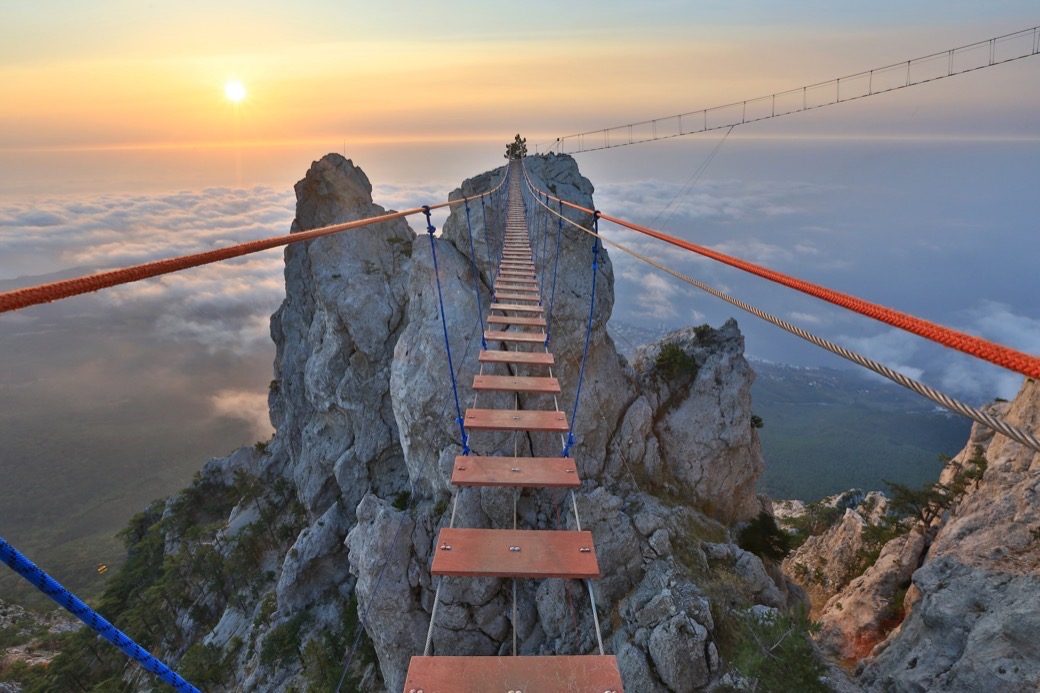
* The generation gap is wide--and growing.
* The younger generation longs for belonging.
* Faith must be experienced, not just taught.
* Creates space for belonging and spiritual formation.
* Trains and mobilizes the Next Generation as leaders.
* Gives the Older Generation a lasting legacy opportunity.
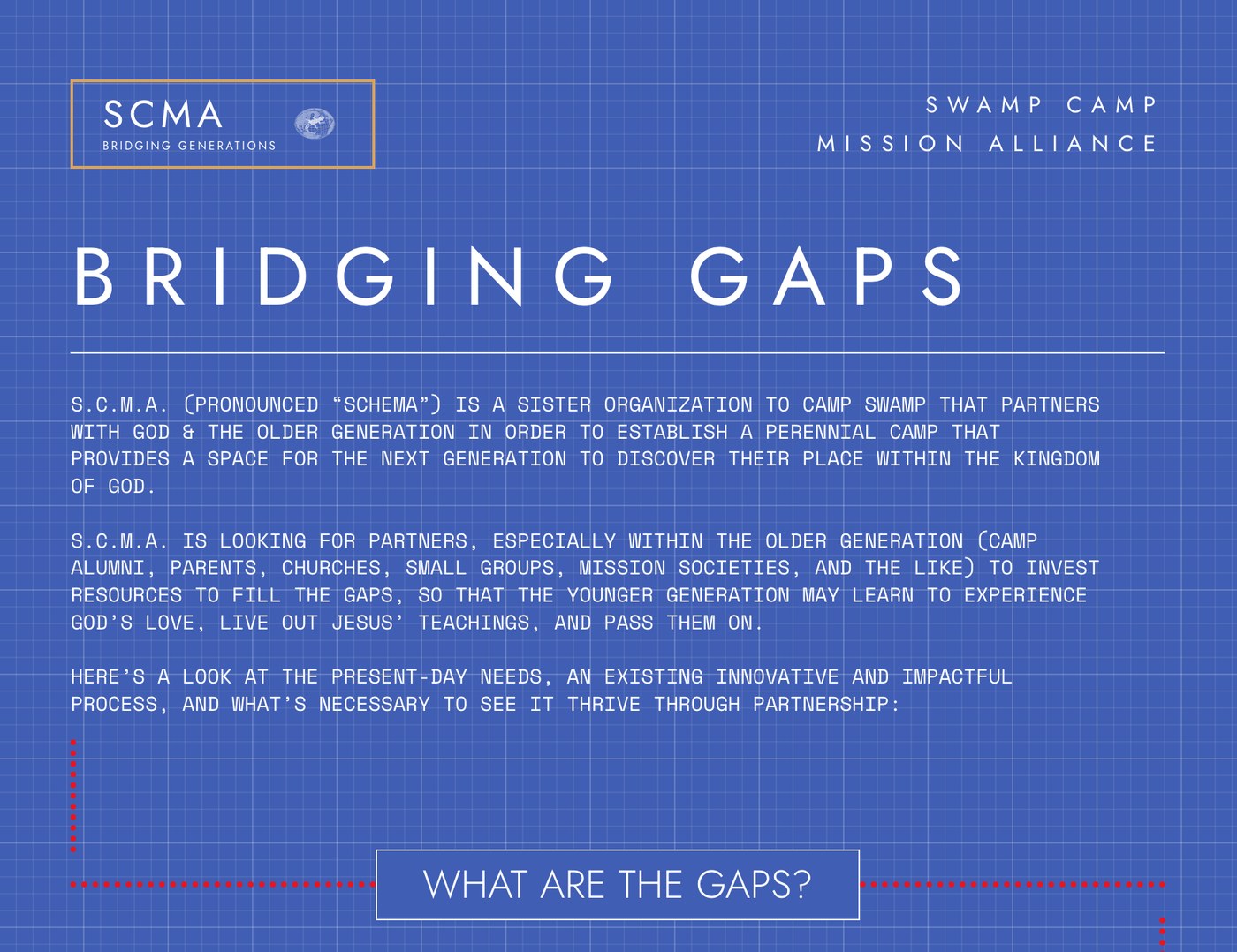
This one-page overview shows the need and the model—at a glance.
A 4-Minute Introduction
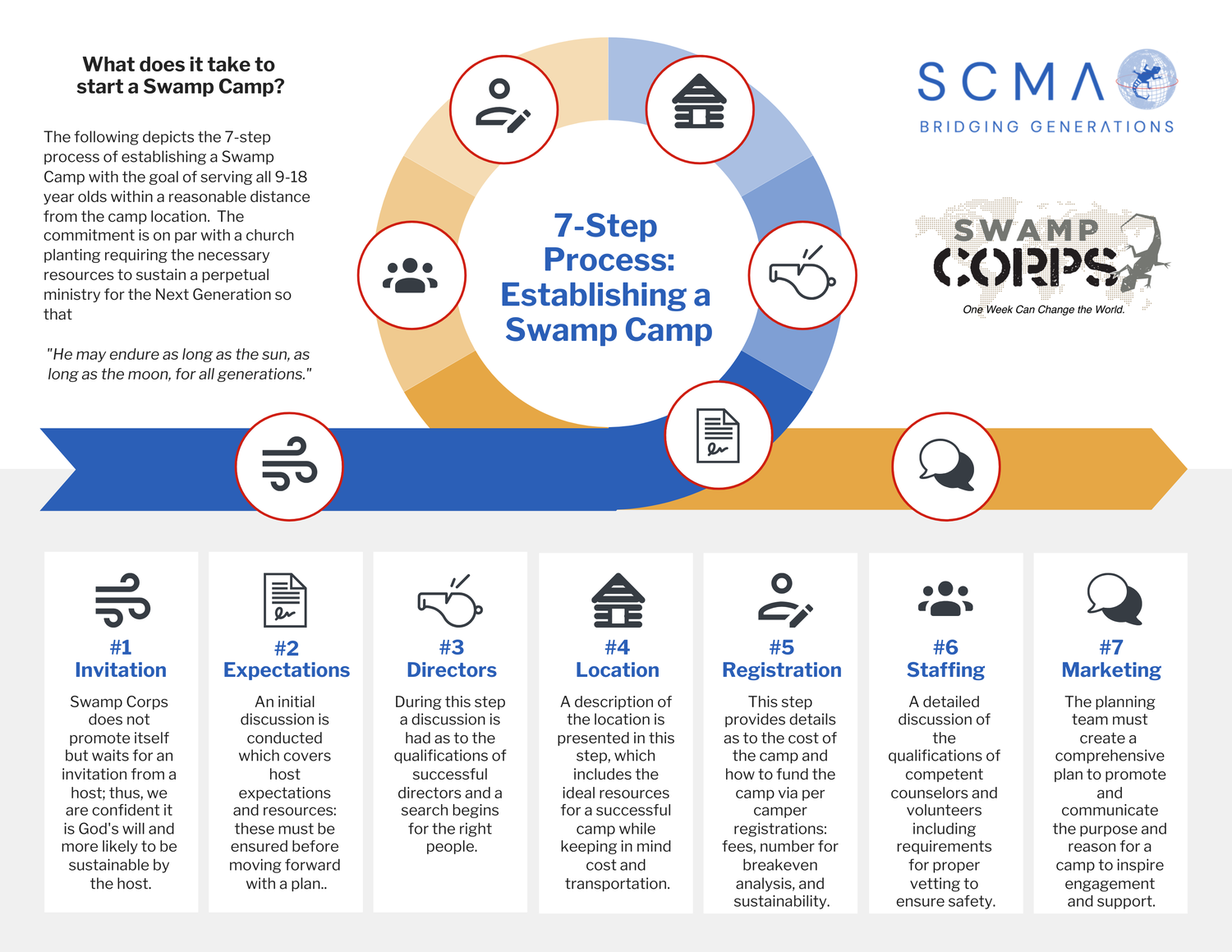
* Year 1: We lead and establish culture
* Year 2: We train and co-lead
* Year 3: Local leaders fully own the camp
Interested in becoming a Legacy Investor?
Learn How to Invest
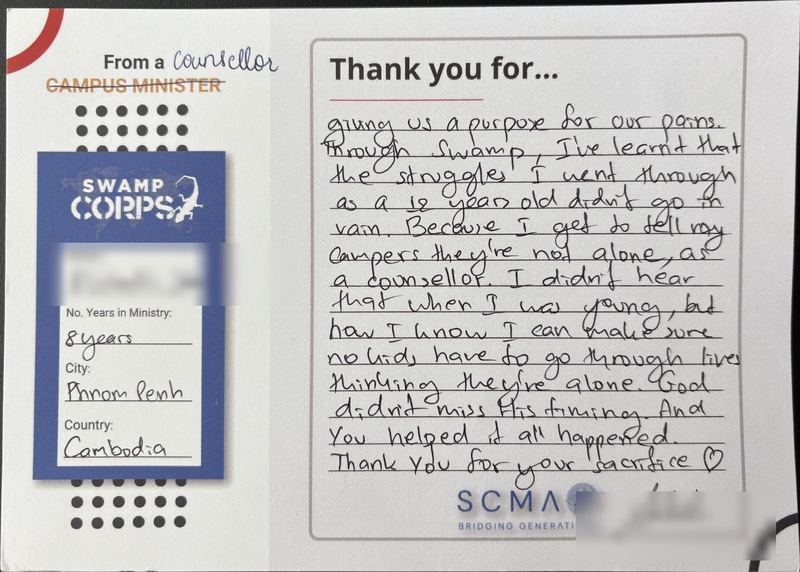
Finding Life Beyond the Pain
And the God Who Had Already Given It to Her.
A Spark of Curiosity That Led to a Lifetime of Following.
Until the Stars Said Different.
If you’d like to explore our mission, values, and story in more detail, keep reading.
Partnering with God to Bridge the Generations and Fulfill Psalm 72:5.
In Swamp Corps' third year, Director Jennifer Rorabaugh made a rather prophetic, albeit back-burner, observation. She said, "The Older Generation plants churches, the Younger Generation will plant camps." This insight has been maturing and developing and is ready to come to fruition.
? Swamp Corps?
A group of experienced campers and counselors who spend three years establishing a Swamp Camp: a safe, spiritual, and relational summer camp specifically designed for 9-18 year olds. See Process Details...
The broader ecclesiastical context in which the Next Generation find themselves has changed as has the missional landscape relative to that experienced by the Older Generation. On some level, the younger generation goes to "their parent's church" and they are searching for their place to make a difference in the wider Christian movement. In addition, they are wary of the way missions has been historically discussed and implemented; together with a greater awareness of institutional failures in education, religion, politics, economics, and marriage, to name a few, the Next Generation has a tainted view of postmodern Christianity . And yet, per the Barna Group's extensive Gen Z research and our own experiences over the last few decades, the one thing the Next Generation longs for is Jesus and a return to his organic movement. The S.C.M.A. Swamp Corps model allows for the Next Generation to find its place in our collective desire to present Jesus and the gospel to a broken world and to guide a forlorn generation back to an organic Jesus focus. By participating in Swamp Corps they establish camps in parallel ways that the Older Generation is planting churches reviving the true spirit of Jesus' missionary desire in them and work in partnership with the Older Generation to spread the gospel.

Make Space for the Next Generation...
Are you a seasoned Christian with a passion for nurturing the future? S.C.M.A. needs you! Join our dynamic initiatives where you, the Hero, make space for the Next Generation by providing the resources (prayers, wisdom, funding) that together change the world—fueling their aspirations with your experience. Together we can partner to build the Christian legacy.
Great Question!
Answer...
A Hero's Reward
a legacy of Christian faith and servant-leadership in the Next Generation by giving young people a space to belong and grow in their faith; after all people who belong, believe.
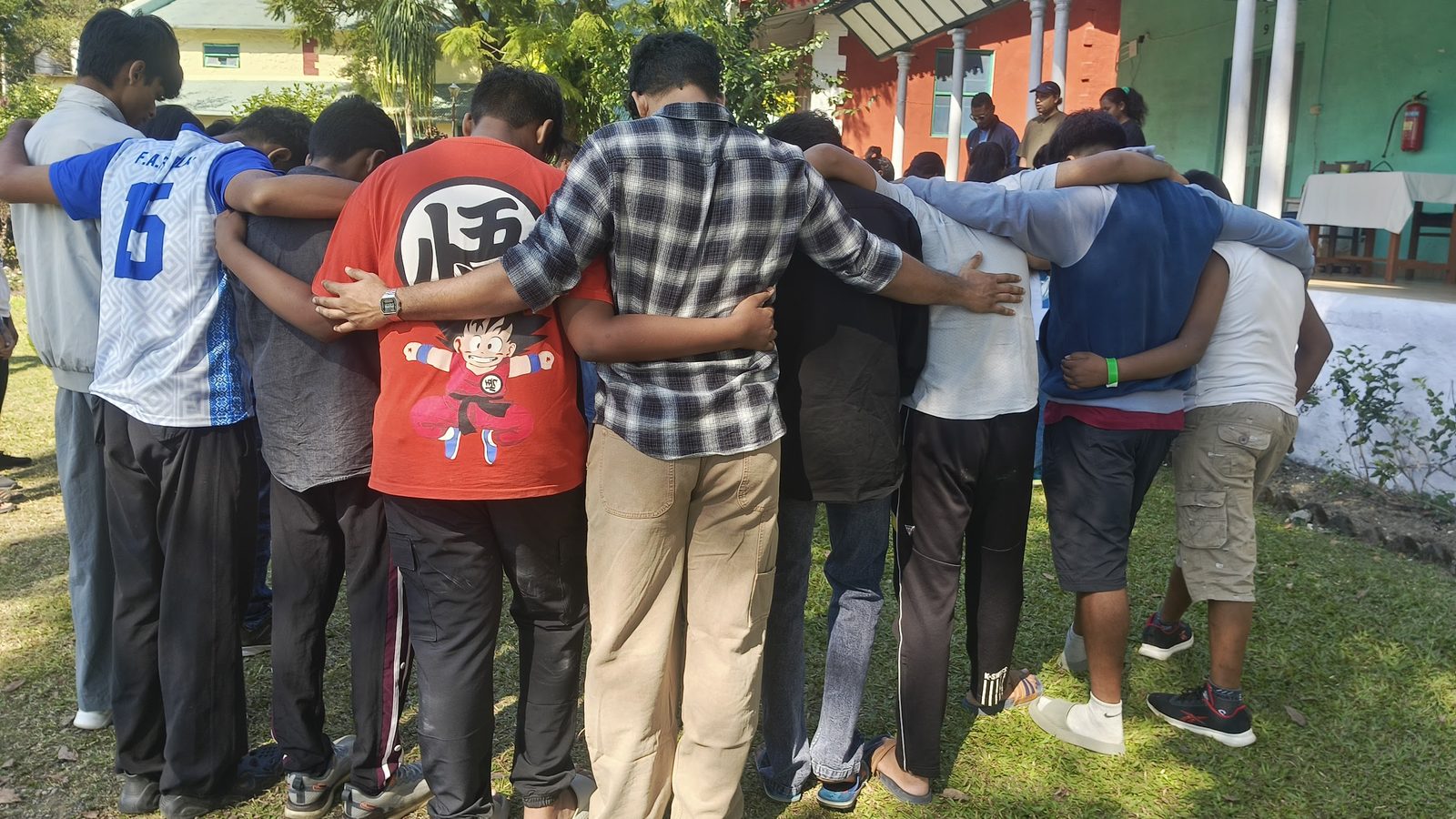
faith from one generation to the next fulfilling Jesus’ great commission making a difference in the lives of young people.
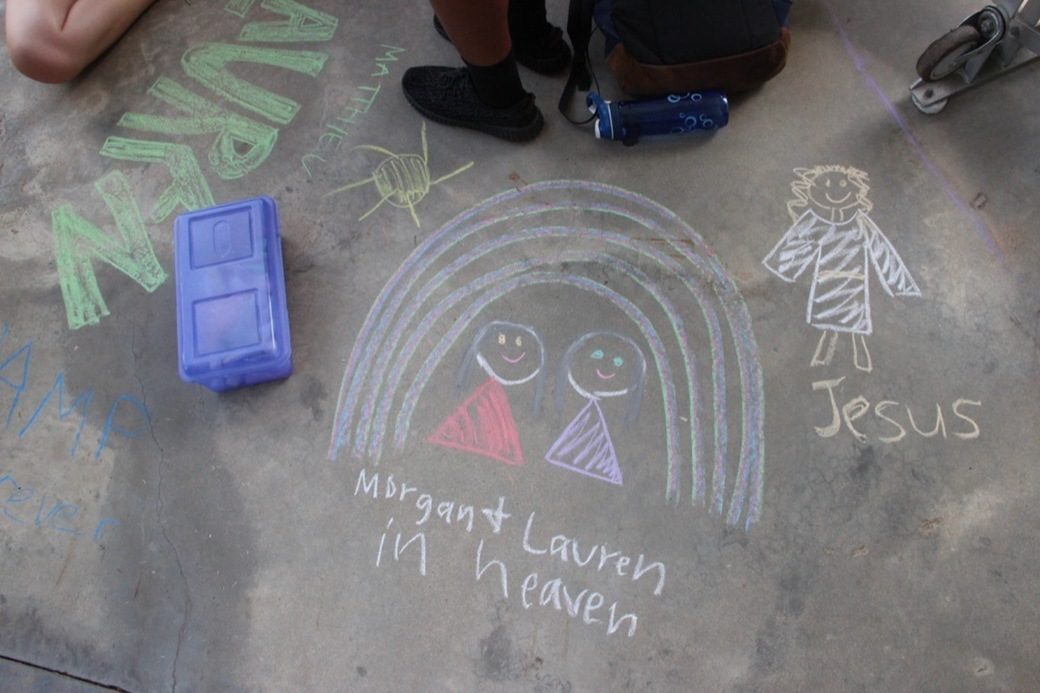
greater levels of spiritual satisfaction knowing Jesus’ teachings will continue into the future acknowledging all that Jesus has done for you, and expressing deep feelings of gratitude and thankfulness. (We call our Swamp Corps donors, investors, because they invest in the future not just donate to the present.)
the cycle of failed faith conveyance often seen in the Bible. Great is the reward of those who help raise new servant-leaders trained and devoted to continuing the bridge building pattern.
a sense of assurance in salvation and faithfulness to Jesus’ teachings to “go and make disciples teaching them to obey everything I have taught you,” by inspiring young hearts that "love God with all their heart, mind, soul and strength," assuaging any guilt or shame, which may come, from using resources for temporal or non-eternal pursuits.
As a hero, you keep alive Jesus’ ministry in the face of competing requests and desires and provide a legacy opportunity allowing others all around the world the opportunity for belonging together in Christ's love, the experience of becoming closer to God, and bequeathing the heart to serve others and pass on Jesus’ teachings from this generation to the next forever.
My child spends more time in one week of camp being spiritually influenced by young heroes and the spiritual, fun-filled Swamp Camp culture than with their church in an entire year.
- Parent of Two Campers
One Week Can Change a Life. One Week Can Change the World.
- Swamp Corps Motto
Watch the amazing journey from a dream to a concept to a single camp in Georgia, USA to 25 camps spanning the globe offering togetherness through play, connection, community, and wonder.
2010
• Jamaica (Year 1)
2011
• Jamaica (Year 2)
• Barbados (Year 1)
2012
• South Africa (Year 1)
• Barbados (Year 2)
• Jamaica (Year 3)
2013
• South Africa (Year 2)
• Brazil (Year 1)
• Barbados (Year 3)
2014
• South Africa (Year 3)
• India (Year 1)
• Bahamas (Year 1)
2015
• India (Year 2)
• Brazil (Year 2)
• Bahamas (Year 2)
• Zimbabwe (Year 1)
2016
• Nicaragua (Year 1)
• India (Year 3)
• Brazil (Year 3)
• Bahamas (Year 3)
• Zimbabwe (Year 2)
2017
• Nicaragua (Year 2)
• India (Year 4)
• GC Camp (Year 1)
• Zimbabwe (Year 3)
2018
• Nicaragua (Year 3)
• Cambodia (Year 1)
• GC Camp (Year 2)
• Kenya (Year 1)
• St. Vincent
• Mozambique (Year 1)
2019
• Cambodia (Year 2)
• Honduras (Year 1)
• Taiwan (Year 1)
• Kenya (Year 2)
• GC Camp (Year 3)
• Mozambique (Year 2)
2020
• COVID Interruption
• Swamp Virtual Camp (36 countries, 1,100 participants)
2021
• Honduras (Year 2)
2022
• Honduras (Year 3)
• Cambodia (Year 3)
• Nepal (Year 1)
2023
• São Paulo, Brazil (Year 1)
• Paraguay (Year 1)
• Taiwan (Year 2)
• Nepal (Year 2)
2024
• São Paulo, Brazil (Year 2)
• Paraguay (Year 2)
• Taiwan (Year 3)
• Angola (Year 1)
• Delhi, India (Year 1)
• Nepal (Year 3)
• Botswana (Year 1)
2025
• São Paulo, Brazil (Year 3)
• Paraguay (Year 3)
• Bolivia (Year 1)
• Angola (Year 2)
• Delhi, India (Year 2) - October
• Botswana (Year 2) - December
2026
• Bolivia (Year 2) - January
• Malaysia (Year 1) - June
• Angola (Year 3) - July
• Mexico (Year 1) - August
• Delhi, India (Year 3) - October
• Botswana (Year 3) - December
There are some stories that make you smile. There are some stories that make you cry. And then there are stories that leave you sitting in silence, overwhelmed by the realization that God has been pursuing someone all along, even when they could not see Him.
Harisritha's story is one of those stories. When Harisritha arrived at Swamp Camp, she did not come with years of camp memories like many others. She was new. New to camp. New to the community. New to the faith.
Yet from the very first day, she stood out. Not because she demanded attention. Not because she wanted recognition. But because she served.
Whatever task was placed before her, she embraced it with joy. Whether helping behind the scenes, supporting campers, carrying supplies, or simply stepping in wherever there was a need, she gave her whole heart. Her laughter was contagious. Her enthusiasm was infectious. She was the kind of person who made everyone around her smile.
To many, she appeared to be one of the happiest people at camp. But behind that smile was a story few could have imagined. As conversations deepened throughout the week, what began as a cheerful introduction slowly unfolded into a story marked by unimaginable pain, loss, and years of unanswered questions.
Harisritha grew up in a traditional Brahmin family. Just one year ago, she became a disciple of Jesus after being invited to church by her friend Enoch, a young man who had spent much of his life growing up through Swamp Camp. First as a camper, then as a counselor, camp had become one of the places where he experienced God's love, discovered who he was, and learned what it meant to belong.
When Enoch invited Harisritha to camp, he told her she was missing out on something special. He told her this was a place where people were seen. A place where people were understood. A place where people could find themselves.
What neither of them knew was just how desperately she needed that invitation. Years earlier, when Harisritha was in the eighth grade, her life changed forever. It was supposed to be a beautiful family day. She had gone with her parents to buy plants.
Like any excited child, she persuaded her mother to buy more. As they rode home together on their scooter, Harisritha sat between her father and mother, carrying the excitement of the day with her. Then she noticed something.
Her mother seemed to be struggling to hold the plant pots. Before anyone could react, tragedy struck. Her mother's dupatta became caught in the rear wheel of the vehicle. Within seconds, she was pulled from the scooter and dragged across the road.
Harisritha watched the entire thing happen. The day that began with flowers and plants ended with her mother dying before her eyes. No child should ever have to witness something like that.
Yet that memory became part of Harisritha's story. For years afterward, she carried a burden that no child should ever have to carry. Guilt. Crushing guilt. "What if I hadn't asked her to buy those plants?" "What if I hadn't convinced her?" "What if I had done something differently?"
The questions haunted her. The tragedy became the lens through which she viewed herself. She wasn't simply grieving her mother. She was blaming herself. Years passed. But the wounds remained.
Life moved forward, but her heart felt stuck in that moment. Surrounded by family, she still felt alone. Living within a patriarchal environment, she often found herself dismissed, overlooked, and taken advantage of. Instead of finding safety, she frequently felt powerless.
As she grew older, searching for belonging and stability, Harisritha entered a relationship that she hoped would provide the love and acceptance she longed for. Instead, it became another source of pain. What began with hope eventually became a place of hurt, leaving her feeling even more broken and trapped than before.
Carrying the weight of grief, guilt, and the wounds of that toxic relationship, she reached a point where she knew something needed to change. Determined not to let her life be defined by the walls that had surrounded her, she made the courageous decision to move to Bangalore and begin again.
A new city offered the possibility of a fresh start. It was a step toward healing, a declaration that there had to be more to life than the pain she had known. Yet even with the change of surroundings, some wounds remained. The grief remained. The unanswered questions remained. The loneliness remained. She had spent years trying to move beyond her past, yet she still carried burdens she did not know how to lay down.
And then, God began writing a different chapter. Through a simple invitation from a friend. Through a young man whose own life had been shaped through camp. Through the faithfulness of people who invested in a ministry they may never physically see. God brought Harisritha to Swamp Camp.
When asked about her experience, her answer brought many to tears. She said she had never experienced God the way she experienced Him at camp. Not in a sermon. Not in a building. Not in a program. But through people. Through love. Through being seen. Through being valued.
For perhaps the first time in a very long time, she felt like she mattered. The Starlight Devotional touched wounds she had carried for years. The Cross presentation reminded her that Jesus understood suffering and loss. The Mingle of Honor overwhelmed her with the realization that she was deeply valued, not because of what she had done, not because of her achievements, not despite her failures, but simply because she was loved by God.
Again and again throughout the week, God met her in ways she never expected.The girl who had spent years believing her story was defined by tragedy began to see something different. The girl who carried guilt for her mother's death began to understand grace. The girl who felt abandoned began to discover belonging. The girl who felt invisible began to realize she was seen.
By the end of camp, Harisritha was no longer looking at her life through the lens of her worst day. She was beginning to see herself through the eyes of God. She left camp knowing that her life was so much bigger than her pain.
So much bigger than her mistakes. So much bigger than the wounds she had allowed to define her. Most importantly, she left knowing she belonged. That she was loved. That she was valuable. That God had not forgotten her. And this is why Swamp Camp exists.
Camp is not simply an event. It is not a week on a calendar. It is not games, schedules, activities, or programs. It is a tool in the hands of God. A place where children become leaders. A place where broken hearts find healing. A place where forgotten people discover they are remembered. A place where those carrying invisible burdens encounter the visible love of Christ.
Every tent raised. Every meal served. Every counselor trained. Every devotional prepared. Every camp funded. Every volunteer equipped. All of it becomes part of stories like Harisritha's. Stories that remind us that behind every number is a name.
Behind every donation is a life. Behind every investment is a person whom God is pursuing. Your support does far more than fund a camp. It creates sacred spaces where people encounter Jesus. It helps build environments where healing can begin. It allows counselors to walk alongside those who are hurting. It gives someone like Harisritha the opportunity to discover that her story did not end with loss.
Because while Harisritha came to camp looking for an experience, she left having encountered a Savior. And perhaps that is the greatest reminder of all: Sometimes God reveals Himself through a sermon. Sometimes through Scripture. And sometimes through a camp community that simply chooses to love someone well.
Thank you for making stories like Harisritha's possible.
Boronn. She was not the girl who hid. She stood in the front row of group photos. She signed up for the talent show even when her hands trembled so badly she had to press them against her dress to keep them still. She raised her hand in class. She volunteered to read aloud.
From the outside, Boronn looked confident. But confidence and belonging are not the same thing. Boronn did not step forward because she felt secure. She stepped forward because she was trying to be enough.
At school, she learned a quiet survival skill: adjust.
With one group, she softened her accent. With another, she laughed louder. With some, she agreed even when she didn’t. With others, she offered help before they could even ask. She became fluent in becoming who people needed her to be.
Because somewhere deep inside, she believed belonging was something you earned, like grades, like applause, like approval. And Boronn worked hard. What people did not see was the weight she carried home.
She had already buried her mother. Grief does not just take a person. It rearranges the furniture of a family’s heart. And that’s exactly what happened to Boronn’s life too. After her mom passed, the house felt the same but sounded different. The laughter came softer.
The conversations became shorter. Her father threw himself into work, not because he didn’t care, but because he cared so much he did not know how else to hold everything together. Her siblings became quiet pillars for one another. Love remained, but it wore tired eyes.
Boronn learned something dangerous in that season:
Do not be another burden. So she became strong. Capable. Easy.
She stopped asking for too much. She stopped crying where anyone could see. She started performing strength the way she performed belonging. There were evenings when she sat at the edge of her bed, staring at the ceiling, feeling alone in a house full of people.
She loved her family deeply. But grief had made them all islands. And then, in 2018, Boronn arrived at Swamp Camp. She did not know that a single week would begin undoing years of quiet striving. At camp, something felt different almost immediately.
No one asked her to impress them. No one measured her by how useful she was. No one flinched when her English stumbled. No one withdrew when she failed at a game. She laughed , not the polite laugh she had perfected, but the kind that bends you over and leaves you breathless.
She sang loudly even when her voice cracked. She prayed unsure prayers. She spoke thoughts that were unfinished and imperfect. And somehow, she was not less loved for it. For the first time, Boronn felt what it was like to exist without editing herself.
But the deepest shift came quietly.
One night, during a devotion, the campers climbed to the highest point of the resort. The grass was cool. The air carried that late-evening stillness that makes everything feel sacred. The sky stretched wide and open.
Boronn had grown up hearing about Jesus. She knew the verses. She could answer the Bible questions. Faith, for her, had been information not intimacy. That night, as the counselors spoke about a God who sees, something inside her began to unravel.
A tightly wound thread finally loosening. She felt tears before she understood them. And in the silence of that hill, she sensed something she had never allowed herself to believe:
You were never invisible. You were never too much. You were never alone.
It was not just the stars above her that moved her. It was the realization that even in her mother’s absence…Even in her father’s quiet exhaustion…Even in her years of performance…God had been present.
Boronn had spent years trying to be seen. That night, she realized she had always been seen. “I once was blind, but now I see.” The sky became a symbol for her, yes, but more than that, rest became real.
She did not need to impress God. She did not need to perform for Him. She did not need to audition for love. Belonging was not a prize. It was a gift.
After that summer, life did not suddenly become easy. Her family still faced financial strain. There were seasons when returning to camp felt impossible. Yet somehow, through scholarships, through provision, through doors opening at the right time, she kept going back.
Even during virtual camp in the COVID season, she showed up. Looking back, Boronn now sees what she could not see then: God was carrying her before she ever asked to be carried. Year after year, her role changed.
She returned not just as a camper, but as someone growing. From a girl desperate to belong…To a missionary sent to serve and learn. To a counselor sitting beside homesick campers. To a leader guiding games, prayers, and conversations.
She began noticing the quiet girls at the edge of the room, the ones she once resembled. She would sit next to them. Ask their names. Invite them into the circle. She recognized the look in their eyes.
The look of someone trying to earn their place. And she would gently, patiently, show them they did not have to. Swamp Camp became more than a week on the calendar. It became the place where grief met grace. Where performance gave way to authenticity.
Where faith shifted from inherited to personal. Where a girl who lost her mother found a spiritual family again. And the transformation did not stop with her.
This year, while driving home from camp, her brother, who rarely spoke about faith, quietly said he wanted to study the Bible. Boronn turned her face toward the window so he would not see her tears. Swamp had been working for him, too.
That is the thing about seeds planted in sacred soil. You do not always see them growing.
But one day, they bloom. Since 1993, Swamp Camp has been planting seeds in young hearts, not just through sermons, but through presence. Through counselors who listen. Through leaders who believe teenagers are not “too young” for purpose.
Through a community that chooses to see potential where the world sees insecurity. Boronn is one of those seeds. She sometimes wonders who she would be if Swamp had not existed.
Maybe still adjusting her personality in every room. Maybe still believing she must be useful to be loved. Maybe still knowing about God, but never resting in Him.
Instead, she knows this:
Belonging is not something you achieve. It is something you receive.
After losing her mother, Boronn did not realize how deeply she longed to be protected, guided, and gently held again. At Swamp, she found leaders who prayed over her. Friends who stayed up late talking about faith. A community that reminded her she was not an extra character in someone else’s story.
She was chosen. Now when clouds hide the stars, she smiles. Not because she needs to see them, but because she knows they remain. And even more steady than the stars is the God who never once looked away from her striving, grieving heart.
Boronn is no longer the girl trying to earn her place in the world. She is a daughter. A leader. A sister. A fruit of sacred seeds planted years ago. One week can change a life.
Not because of perfect programs. Not because of flawless people. But because when a young heart finally rests in the truth that it already belongs, everything changes. Boronn knows. Because it changed hers.
“No one knew the girl who smiled the brightest was fighting the darkest thoughts.”
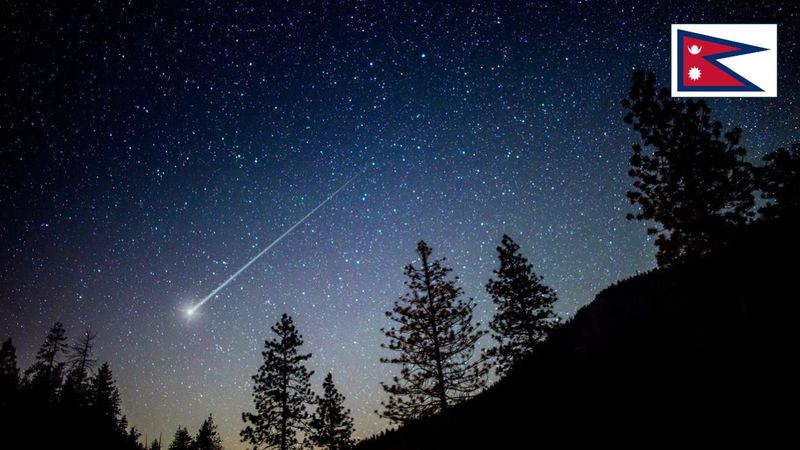
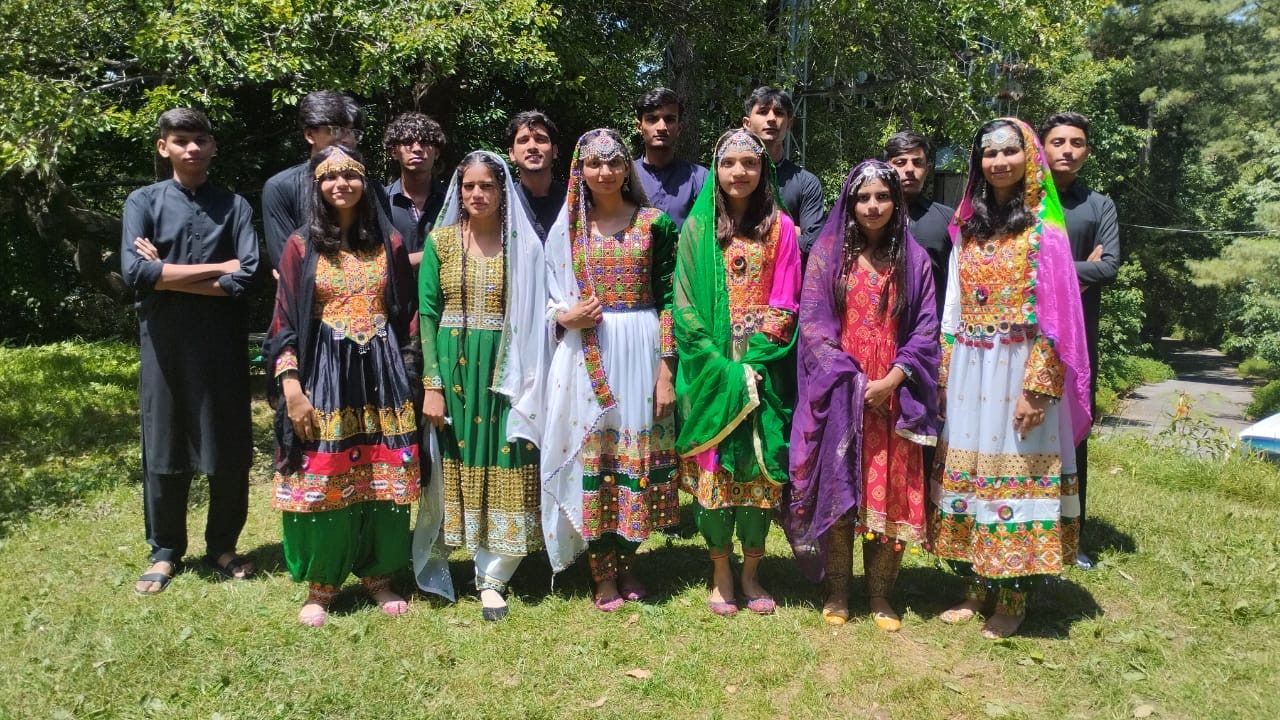
Hidden in the hills of Nepal, far away from noise, phones, and chances… There is a village most people will never visit. A place where life moves slowly, opportunities are rare, and dreams often stay inside the four walls of a mud home.
And in that village lived a girl named Bhumika. To anyone who met her at camp, she was the girl who smiled first. The girl who danced without hesitation. The girl who ran into every activity like joy had been living in her bones forever. But joy wasn’t her whole story. It was the part she allowed the world to see.
Because nobody knew what her mother had carried alone. Nobody knew what Bhumika had carried in silence.
Last year, news travelled quietly through the camp team: Bhumika had a younger sister who wanted to come too. But their mother had no money left. Not for travel. Not for camp fees. Not even for the basic things her daughters needed. And so, in a moment only a mother’s heart can understand, she made a choice that shook everyone who heard it later, she sold her goats.
You see, in a village, goats are never “just goats.” They’re a family’s savings, their safety net, their dignity in the eyes of the community. They’re a lifeline. And giving them up is like giving up the only backup life has allowed you.
Bhumika’s mother gave that up… so her daughters could taste the kind of hope she never had. That decision alone could have been the whole story. But Bhumika’s journey was only beginning.
She almost didn’t come to camp this year. But God made a way for her to come again, through people like you, whose hearts were stirred to give. People she may never meet, but who carried her in their kindness.
This year, Bhumika came again. Not sixteen anymore, but eighteen. A little older, a little quieter, carrying weight most adults cannot bear.
Her father had been paralysed for eight years. Her mother worked the lowest-paying jobs, every single day. There were months when even food was uncertain.
Somewhere inside, Bhumika had begun to believe something dangerous: That she was a burden. That her life created more struggle to the ones she loved. Maybe, her absence would make things easier. But something else stood stronger : Even when she didn’t see her own worth, God did.
This time at camp, she behaved exactly as she always had: smiling, blending in, hiding the heaviness inside. But then tiny, unexpected moments began stitching her heart back together.
A shared meal. A game. A moment of laughter she didn’t expect. A counsellor who remembered her name. A worship song that didn’t ask anything from her. A night under the stars that whispered louder than fear.
And then… she opened up. For the first time, she said the words she had swallowed for years, “I always felt like I was a burden.”
Somewhere between the theme of the camp, the story of Jesus, the warmth poured out around her, and the stillness of that starlit devotion night, something in her shifted. She wasn’t invisible anymore. She wasn’t a burden. She wasn’t a mistake. She wasn’t alone. She walked differently the next morning. She laughed deeper. She danced again, she walked like someone who had finally discovered she was seen, by people, and by God. She didn’t hide the pain anymore because something inside her finally felt safe.
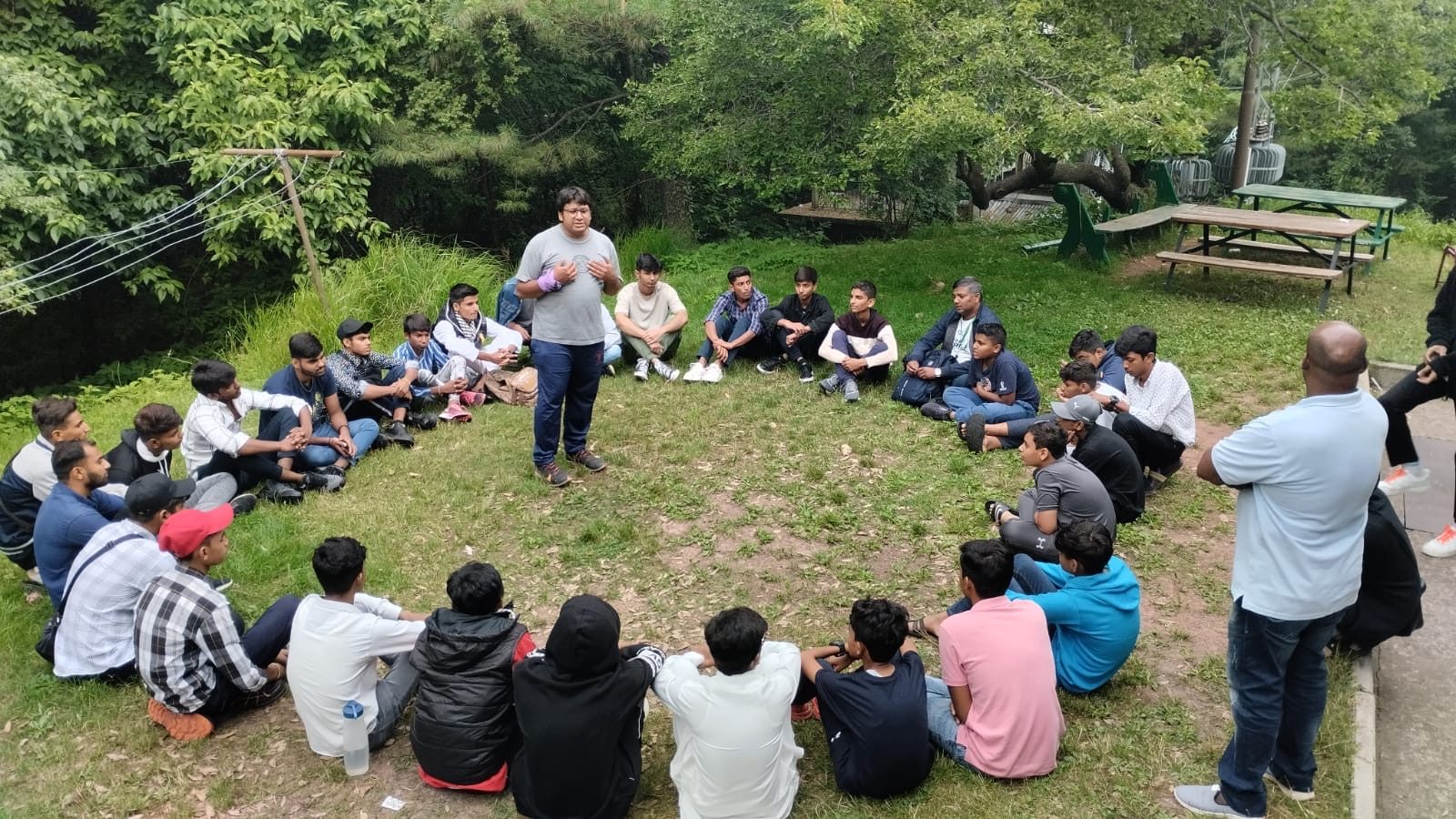
This is what Swamp Camp is. It’s not the games alone. Not the songs alone. Not even the devotion nights alone. It’s what happens when love, people, and God align in a child’s life.
It’s a place where stories like Bhumika’s get rewritten quietly, deeply, permanently. And hers is only one. There are hundreds more, waiting in villages, waiting in silence, waiting for a moment that changes everything.
And this is where you come in. Not to rescue. Not to fix. Not to fill the role of a saviour. But to simply open the door, so the next girl can sit under a starlit sky and hear that whisper of hope for herself.
Your support doesn’t just send a child to camp. It becomes a shared meal, the remembered name, the worship song, the night under the stars, the moment God uses to touch a heart. One gift. One child. One story transformed forever.