

Romans 8:28 is probably one of the most quoted and beloved verses in the Bible:
"And we know that in all things God works for the good of those who love Him, who have been called according to His purpose."
It's the verse people send when life falls apart. It's the verse we cling to when we're confused. It's the verse that somehow finds its way onto coffee mugs, wall décor, and social media captions. And for good reason. It's incredibly comforting.
But I wonder if we've become so familiar with the verse that we've stopped asking what it actually means. Because if we're honest, most of us read this verse through our own definition of "good."
We assume God is saying:
"Don't worry. Everything will work out."
"You'll get what you've been praying for."
"The situation will improve."
"The pain won't last forever."
"You'll understand why this happened."

And sometimes those things do happen. But sometimes they don't. Sometimes the prayer isn't answered the way we hoped. Sometimes the relationship still ends. Sometimes the diagnosis doesn't change. Sometimes the door remains closed. Sometimes the pain stays longer than we ever expected.
And when that happens, we begin to wonder if Romans 8:28 is really true. Because if God is working everything for good, then why does so much of life feel so... not good? The problem may not be the promise. The problem may be our definition of the word "good."
What If We Mean Something Different Than God Means?
I recently came across the Hebrew word tov, which is often translated as "good" throughout the Old Testament. When God creates the heavens and the earth in Genesis and repeatedly declares that creation is "good," the word being used is tov.
At first glance, it seems simple enough. Good means good, right?
But tov carries a richness that is often lost in English. Biblically, tov isn't merely something pleasant, comfortable, enjoyable, or successful. It describes something functioning according to God's design and purpose.
It is goodness that is aligned with God's intentions. It is wholeness. Flourishing. Completeness. Things being exactly as they were meant to be. That's very different from how most of us use the word.
When we say something is good, we usually mean we like it. A good day is a day where nothing goes wrong. A good outcome is one that benefits us. A good season is one where our plans work out. But God often seems to define good differently.
His focus isn't merely on what makes us happy. His focus is on what makes us whole. Not simply what makes us comfortable. But what transforms us into who He created us to become.
Romans 8:29 Explains Romans 8:28
One of the easiest mistakes we make is stopping at Romans 8:28.
Paul doesn't.
The very next verse says:
"For those God foreknew He also predestined to be conformed to the image of His Son..."
In other words, Paul immediately tells us what God is doing. The "good" God is working toward is not primarily our comfort. It's our transformation.
God's ultimate goal is to make us more like Jesus. And suddenly Romans 8:28 starts sounding very different. The verse isn't saying: "Everything that happens to you will feel good."
It's saying: "God can use everything that happens to you for a good purpose."
Even the things He didn't cause. Even the things He hates. Even the things that break His heart. Even our failures. Even our disappointments. Even our suffering. God is so powerful that He can take every piece of our story and weave it into His greater purpose.
The Cross Changes Everything
Perhaps the greatest example of this is the cross. If you had stood outside Jerusalem on the day Jesus was crucified, nothing about that moment would have looked good.
An innocent man was condemned. His friends abandoned Him. He was mocked, beaten, humiliated, and killed. To the people watching, it looked like evil had won. It looked like failure. It looked like tragedy.
And yet Christians now look back at that same event as the greatest act of redemption in human history. The very thing that appeared most terrible became the means through which God brought salvation to the world.
God did not call evil good. The crucifixion itself was still evil. But He was able to bring incredible good from it. That's often how God works. He doesn't always remove suffering. But He refuses to waste it.
Looking Back and Seeing God's Hand
If you've walked with God for any length of time, you've probably experienced this. You prayed for something and didn't receive it. At the time, it felt devastating. Months or years later, you looked back and realized God was protecting you.
Or maybe a difficult season forced you to depend on God in a way you never had before. Maybe a disappointment redirected your life. Maybe a closed door led you to a better one. Maybe a season of loneliness taught you that God's presence was enough.
The interesting thing is that while we're living through those moments, we rarely call them good. We call them painful. Confusing. Frustrating. Unfair. And often they are.
Yet years later we sometimes discover that God was accomplishing something far deeper than we could see at the time. Not because the situation itself was good. But because God was working through it.
Good Doesn't Always Feel Good
I think one of the hardest truths for Christians to accept is that God's priorities are sometimes different from ours. We often want relief. God wants maturity. We want answers. God wants trust. We want certainty. God wants faith.
We want the quickest route around suffering. God often chooses to walk with us through it. That doesn't mean God enjoys our pain. Scripture repeatedly tells us that God is compassionate, loving, and close to the brokenhearted.
Jesus Himself wept. He grieved. He experienced sorrow. He understands suffering better than any of us ever will. But because He sees the beginning and the end, He knows that some of the deepest work He does in our lives happens in seasons we would never voluntarily choose.
Trusting the Author of the Story
One of the challenges of being human is that we only see one page of the story at a time. God sees the entire book. We see today's disappointment. He sees the person we are becoming. We see the unanswered prayer. He sees the larger purpose. We see the immediate pain. He sees the eternal outcome.

That's why faith often requires us to trust God's character when we can't understand His methods. Romans 8:28 isn't a promise that life will always make sense. It's not a promise that Christians will avoid suffering.
It's not a promise that every ending will be the one we wanted. It's a promise that God is actively working. Even when we can't see it. Even when we don't understand it. Even when everything around us seems to suggest otherwise.
A Different Kind of Hope
The older I get, the more I realize that Romans 8:28 offers something better than the promise of an easy life. It offers the promise of a purposeful life. A life where nothing is wasted. A life where God can redeem even the darkest chapters.
A life where suffering is not meaningless. A life where every joy, every disappointment, every victory, every failure, every tear, and every unanswered question is somehow being gathered into God's greater work.
That doesn't mean we'll always understand what God is doing. But it does mean we can trust who He is. Maybe that's what biblical goodness is really about. Not that everything happening to us is good.
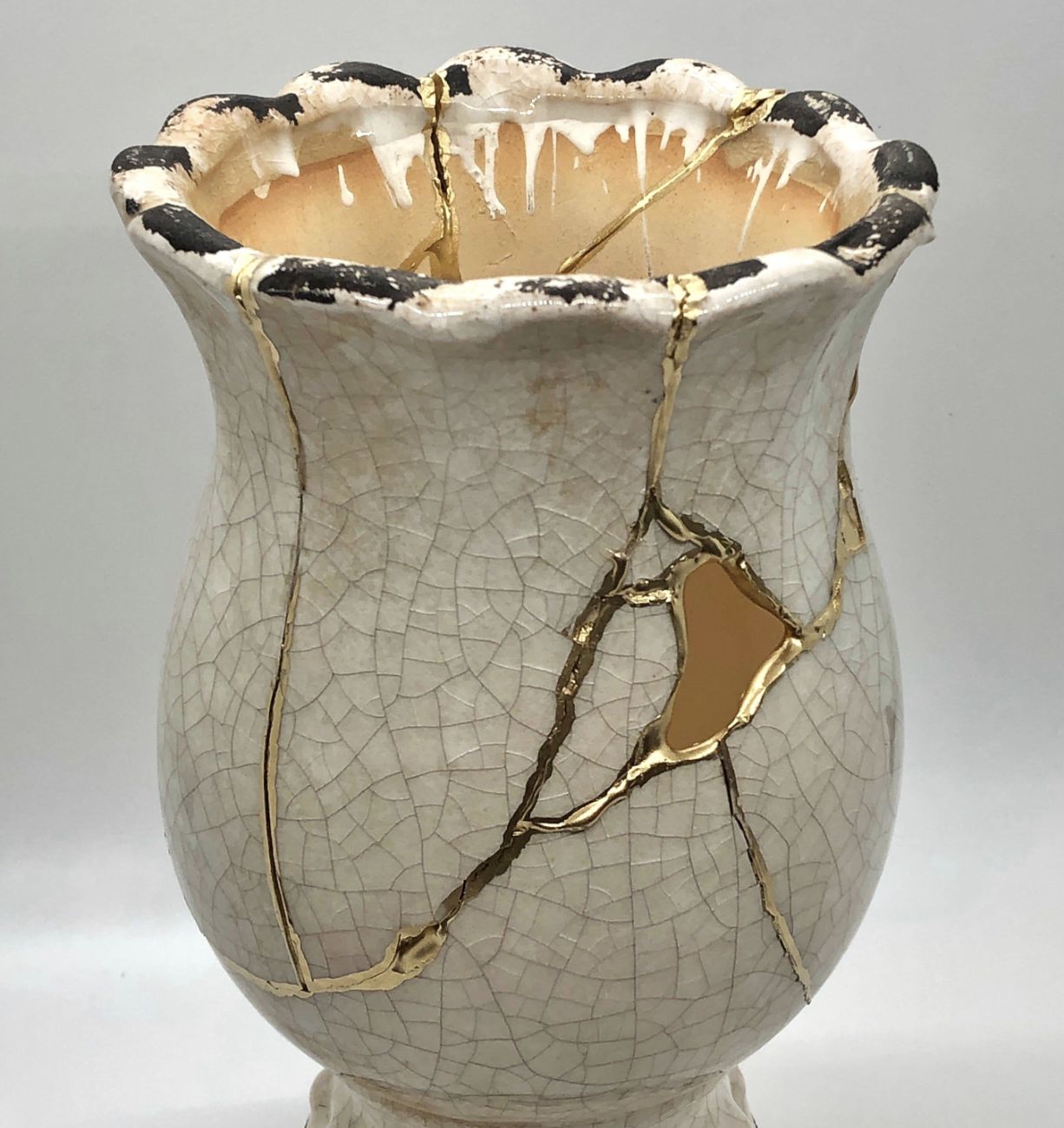
But that God is good. And because He is good, He can take even the broken pieces of our lives and use them for His good purposes.
Perhaps that's the invitation of Romans 8:28. To stop defining good merely as what makes us happy. And to begin trusting the God whose definition of good is far bigger, deeper, and more beautiful than we can currently see.
Because one day, when we finally see the whole picture, we may discover that He was working all along.